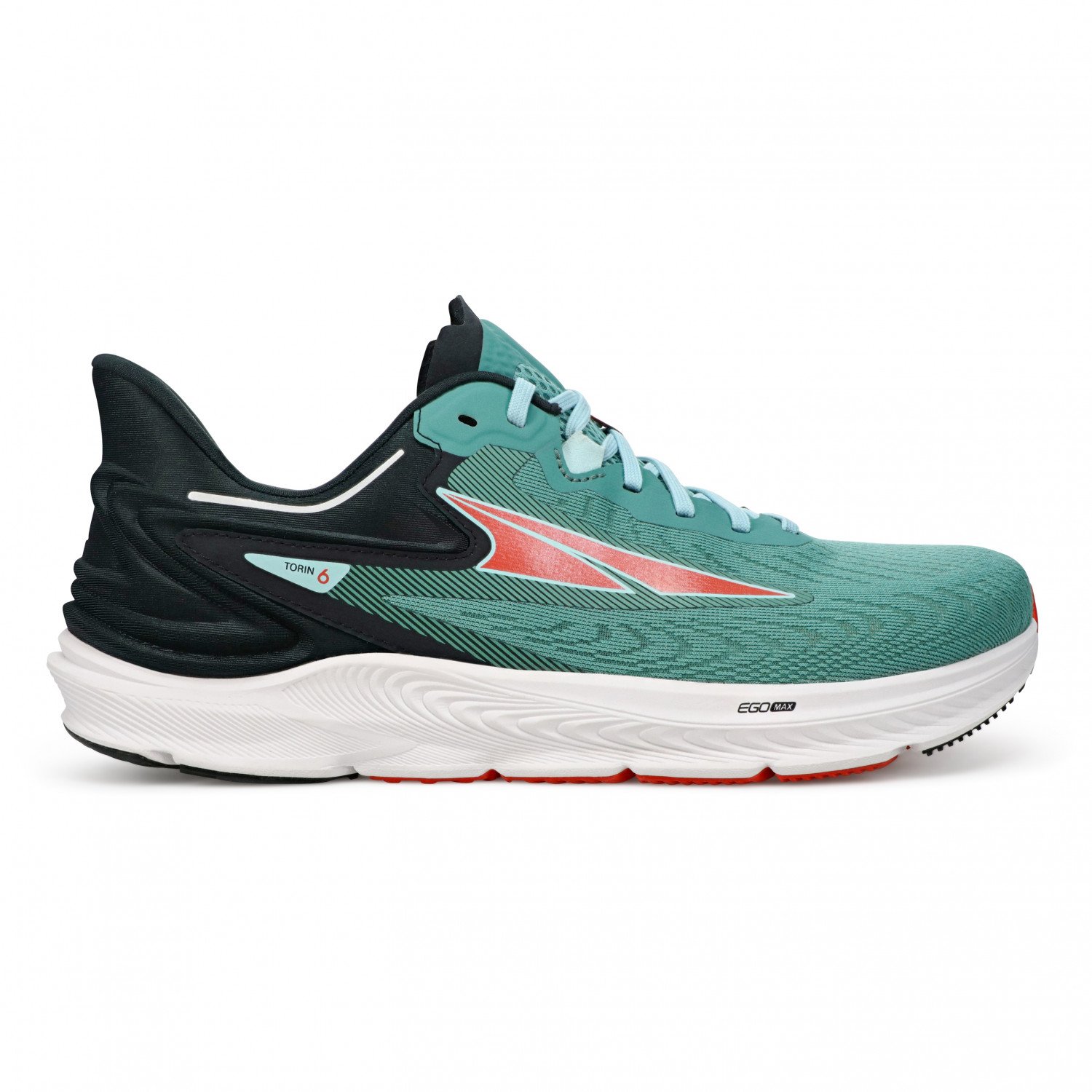
Altra has made a big impact on the running shoe market with its zero-drop platform and foot-shaped design. The wide toe box is a standout feature that makes them different from most traditional running shoes.
But the real question is whether these features actually help runners with chronic pain stick to their routines.
In this review, I focus on what matters most for runners managing knee pain, shin splints, or coming back after a break. I reviewed performance data, user feedback, and biomechanical tests to see whether Altra lives up to its claims.
What Makes Altra Running Shoes Different
Most running shoes place your heel 8-12mm higher than your forefoot. (Subic, 2025) This creates an artificial angle that forces your body into heel-striking, whether it feels natural or not.
Altra eliminated this.
Their zero-drop platform keeps your heel and forefoot level with the ground. This simple change affects how your entire body processes impact from the moment your foot lands.
Another key feature is the FootShape toe box. Most running shoes get narrower at the front, which squeezes your toes together.
Altra designed their toe box to be widest at the tips of your toes, matching the natural shape of your foot.
This lets your toes spread out naturally when you land, which helps with balance and takes pressure off your forefoot.
These two features work together to target the issues that cause recurring injuries.
Core Features That Address Your Pain Points
Zero-Drop Platform
The zero-drop design encourages midfoot or forefoot striking rather than heel-first landing. When you strike with your heel, force travels straight up through your shin and knee.
When you land midfoot, your calf absorbs the shock naturally.
Your posterior chain distributes impact across many muscle groups rather than concentrating it in vulnerable joints.
For runners with chronic knee pain or shin splints, this shift directly reduces the forces triggering flare-ups. The adjustment takes 2-4 weeks of conscious running before it feels automatic, but the long-term relief makes the transition worthwhile.
FootShape Toe Box
Your toes spread naturally when bearing weight. Traditional shoes prevent this, forcing your toes to stay bunched together throughout your stride.
Altra lets your toes do what they’re built to do.
This improves proprioception (your body’s sense of position and balance) and stabilizes your ankles. Many runners report that foot fatigue completely disappears after switching to Altra because their toes can finally move freely.
Balanced Cushioning
Altra uses consistent cushioning from heel to toe without the graduated padding found in traditional shoes. This prevents your body from naturally gravitating toward heel striking, which heavily cushioned heels encourage.
The midsole provides protection without dictating your strike pattern.
Performance Analysis: Road and Trail Testing
Road Running Performance
On pavement, Altra shoes feel responsive without being harsh. The Experience Flow 2 and Torin 6 handle daily training miles and long runs with enough cushioning to protect your joints without feeling sluggish.
The Experience Flow 2 provides soft yet springy feedback that works for both easy recovery runs and tempo workouts. At under 8 ounces per shoe, you’re not carrying extra weight through thousands of footfalls.
For busy professionals squeezing runs into limited time windows, this efficiency compounds over weeks of training.
The Torin 6 offers maximum cushioning while maintaining the zero-drop design. If you’re heavier or simply prefer more protection underfoot, this model delivers without forcing you into an artificial heel strike.
Trail Running Performance
Trail performance reveals where Altra’s design philosophy becomes most obvious. The Lone Peak and Timp provide enough ground feel to sense terrain changes, which is essential for maintaining balance on uneven surfaces.
The MaxTrac rubber outsole grips wet rock and loose gravel reliably without being so aggressive that it wears down quickly on harder surfaces.
Biomechanical testing shows that runners in minimal trail shoes like the Superior actually improve their balance because they’re forced to engage stabilizing muscles in their feet and ankles. Traditional shoes with rigid support structures prevent these muscles from developing properly. (The effects of foot core exercises and minimalist footwear on foot muscle sizes, foot strength, and biomechanics: A systematic review and meta-analysis, 2024)
This builds resilience in tissues that often stay weak and injury-prone.
How Altra Addresses Chronic Injuries
The injury-prevention aspect matters most if you’re looking for an Altra running review. Zero-drop shoes measurably reduce impact forces through your legs.
Testing data shows that foot contact time decreases and stride length increases in Altra shoes. You spend less time in the impact phase of each step. (Acute differences in foot strike and spatiotemporal variables for shod, barefoot or minimalist male runners, 2014, pp. 293-298)
Shin Splints
The zero-drop design reduces excessive dorsiflexion (upward bending) at your ankle, which concentrates stress on your shin tissues. Users consistently report dramatic improvements after adjusting to zero-drop running for 3-4 weeks. (Liu et al., 2025)
Your shin muscles work differently when your foot lands in a neutral position rather than on an elevated heel.
Knee Pain
Promoting midfoot striking and reducing heel impact decreases the compressive forces that aggravate knee cartilage. The wide toe box also improves ankle stability, which reduces compensatory stress on your knees.
Your body maintains better alignment from your foot through your hip when your toes can spread properly.
Plantar Fasciitis
The zero-drop design maintains your foot in its neutral position without forcing your arch into an unnatural angle. Combined with toe splay accommodation, this reduces tension on fascia tissues.
Runners who hike multi-month trails report that foot soreness decreases significantly after switching to Altra compared with their previous footwear.
Different Altra Models for Different Needs
Check current prices and find your perfect Altra model here.
| Model | Spec | Drop | Weight | Price(estimation) |
| Experience Flow 2 | Transition from traditional shoes, daily training | 4mm | 7.8 oz | $140 |
| Torin 6 | Maximum cushioning, heavier runners, long runs | 0mm | 9.2 oz | $150 |
| Lone Peak | Trail running, variable terrain, durability | 0mm | 9.5 oz | $140 |
| Timp | Experienced trail runners, lighter weight, responsiveness | 0mm | 8.7 oz | $150 |
| Escalante 3 | Speed work, tempo runs, lightweight training | 0mm | 7.5 oz | $130 |
Experience Flow 2
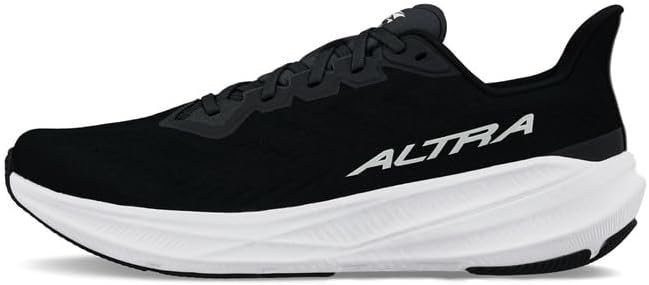
This model serves as the entry point if you’re transitioning from traditional shoes. The 4mm heel-toe drop makes the adjustment easier than jumping straight to true zero-drop.
You get the wide toe box and natural foot positioning without the full shock of zero-drop running. This works well for daily training and building your weekly mileage.
Torin 6
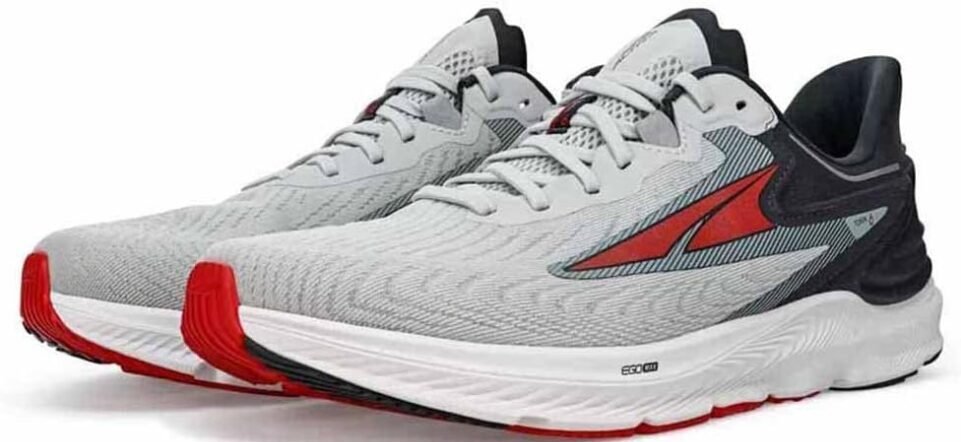
Maximum cushioning meets zero-drop design. If you’re heavier, dealing with significant joint pain, or simply prefer more protection, the Torin 6 delivers without compromising the natural strike pattern Altra promotes.
This model excels for road running volume and long Sunday runs.
Lone Peak
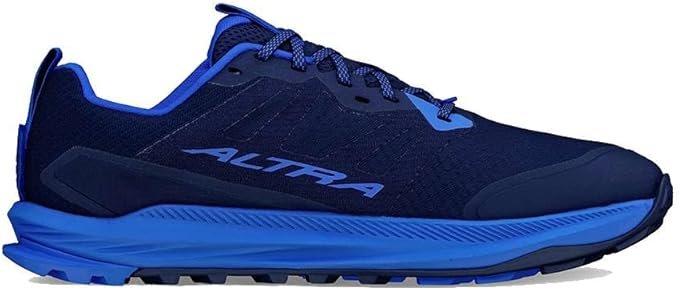
The most popular trail shoe in the Altra lineup. Balanced cushioning protects your feet on technical terrain while the MaxTrac outsole provides reliable traction on wet surfaces.
If you’re transitioning to trail running or regularly handling variable terrain, this model handles everything from smooth dirt to rocky climbs.
Honest Pros and Cons
What Works Well
The reduction in impact force is measurable and significant. If shin splints or knee pain have been derailing your consistency, the biomechanical changes from zero-drop running directly address the root cause.
The wide toe box eliminates the foot jamming that disrupts long runs. Your toes stay comfortable through mile 10 when they’d normally start going numb in traditional shoes.
Lightweight construction prevents fatigue accumulation over extended training blocks. You’re not working against extra shoe weight with each step.
The natural gait encouragement improves your running form without forced correction or rigid structure. Your body adapts to land efficiently rather than being forced into a specific pattern.
Wide size and fit options accommodate various foot shapes. If you’ve struggled to find shoes that fit properly, Altra offers more width options than most brands.
Durability on outsoles exceeds expectations, especially compared to earlier Altra generations. The rubber compounds last 400-500 miles before noticeable wear.
Running Shoe Mileage Tracker
Keep track of your running shoe mileage to know when it’s time for a replacement. Most running shoes should be replaced every 300-500 miles depending on your running style, body weight, and the surface you run on.
Limitations to Consider
The transition requires patience, and it is essential to reduce your running mileage by 30-40% during the initial 2-4 weeks. Gradually increasing your distance as your body adapts will help minimize significant muscle soreness often experienced when switching to zero-drop shoes without adjusting training volume.
Energy return in some models lags behind that of competitors’ premium cushioned shoes. If maximum speed is your only goal, you’ll feel this difference in tempo workouts and races.
Ventilation is limited in certain models, making them uncomfortable in hot weather or if you’re prone to blisters from moisture.
The ground feedback that provides safety benefits on trails becomes a drawback on extremely rocky terrain, where impact sensation can be uncomfortable.
You cannot immediately jump to long runs in these shoes. The adjustment period is mandatory, not optional.
Real User Experience After the Transition
This section of an Altra running review should address what happens after the initial weeks. Runners transitioning from traditional shoes report consistent patterns.
The first two weeks feel awkward. Your calves work harder because they’re absorbing impact they weren’t previously responsible for.
This is muscle activation, not injury pain.
Week 3-4, the awkwardness disappears as your body adapts to the new mechanics.
By week 6-8, most runners notice concrete improvements. Foot fatigue at the end of runs decreases or disappears completely.
Soreness in the problematic areas, such as the shins or knees, reduces significantly.
Balance on technical terrain improves noticeably.
Long-Term Consistency
The real benefit appears over months rather than weeks. The ability to increase mileage without triggering recurring injuries substantially alters training outcomes.
Instead of cycling through 8 weeks of building followed by 2 weeks of pain flare-ups and recovery, your progression actually compounds. You build on previous weeks rather than constantly returning to baseline.
This consistency matters more than any single workout or training week. The added effect of uninterrupted training over 6-12 months produces results that stop-and-start training never achieves.
Value for Money Analysis
Altra shoes range from $130 to $180, depending on the model and current sales. For recreational runners training 10-25 miles per week, a single pair lasts 400-500 miles before noticeable midsole compression.
At $140-160, that works out to about $0.30-0.40 per mile, comparable to conventional running shoes in the same price range.
The value proposition centers on consistency rather than cost per mile. If these shoes prevent two weeks of lost training per year due to injury, the return on investment is significant.
Most runners pay for the shoes solely through improved training consistency. The cost of the shoes becomes irrelevant compared to the cost of recurring injuries and interrupted progress.
See current Altra deals and compare prices across models here.
Who Should Buy Altra Shoes
Altra makes the most sense if you’re:
- Returning to running after time off, and want to minimize injury risk from the start
- Managing recurring shin splints, knee pain, or plantar fascia issues that traditional shoes haven’t resolved
- Dealing with wider feet or high toe volume that makes conventional shoes uncomfortably tight
- Running trails regularly and seeking better balance and natural ground feedback
- Experiencing foot numbness or forefoot discomfort in your current shoes
- Looking to improve running form naturally without gimmicks or forced corrections
Altra is less ideal if you’re:
- Focused exclusively on speed and race times where marginal energy return differences matter
- Dealing with exceptionally high arches that need specific orthotic support
- Managing severe ankle instability where maximum rigid support is necessary
Making Your First Purchase
When buying Altra shoes for the first time, order half a size larger than your conventional running shoe size. Altra sizing runs small compared to most brands, and you want adequate toe room in the forefoot.
The FootShape toe box is wider than traditional shoes, so this extra space is suitable rather than excessive.
Start with the Experience Flow 2 if you’re new to zero-drop running. The 4mm drop makes the transition manageable while still providing the wide toe box and natural positioning benefits.
Expect the first few weeks to feel different. This is a normal adaptation, not a sign that the shoes don’t work for you.
Give yourself at least 3-4 weeks before deciding whether zero-drop running works for your body. Evaluating Altra shoes in the first week is premature because you haven’t had a chance to adapt yet.
Reduce your mileage by 30-40% for the first two weeks, then gradually build back up as your muscles adjust.
Final Verdict: Does Altra Solve Your Problems
The real question in any altra running review is whether these shoes solve problems you’re now experiencing.
If chronic minor injuries disrupt your consistency, if recurring pain appears in the same areas despite changing training volume, or if you want footwear that allows your foot to function naturally, Altra shoes represent a genuine solution.
The transition needs patience and muscle adjustment. The value becomes clear after 8-12 weeks of uninterrupted training without injury flare-ups.
For recreational runners managing minor injuries, Altra shoes serve as a practical tool that removes significant obstacles to consistent training. The biomechanical changes are measurable.
The injury reduction is documented. The user reports are consistent.
Traditional running shoes work for many runners. But if traditional shoes have left you cycling through injury and recovery repeatedly, Altra offers a fundamentally different approach worth trying.
Start with Altra Experience Flow 2 and begin your transition to zero-drop running.