Blog

  • Altra Running Review: How Zero-Drop and FootShape Design Change Your Running Mechanics

    Altra Running Review: How Zero-Drop and FootShape Design Change Your Running Mechanics

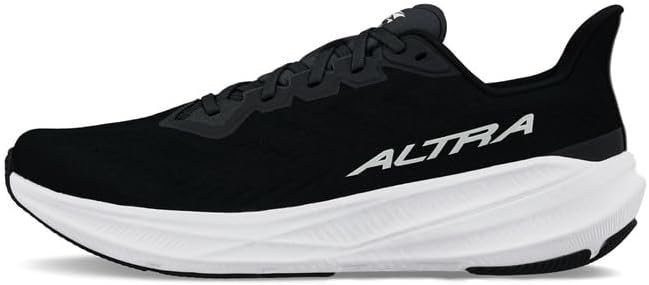
    Altra has made a big impact on the running shoe market with its zero-drop platform and foot-shaped design. The wide toe box is a standout feature that makes them different from most traditional running shoes.

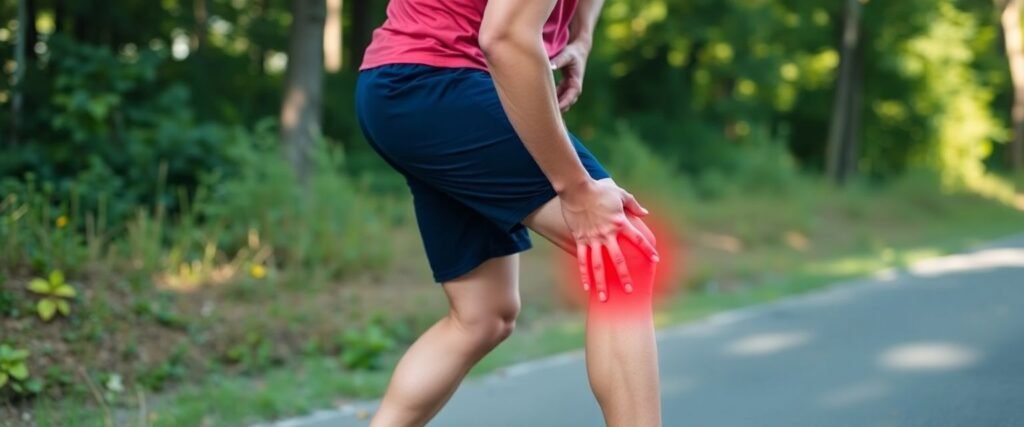
    But the real question is whether these features actually help runners with chronic pain stick to their routines.

    In this review, I focus on what matters most for runners managing knee pain, shin splints, or coming back after a break. I reviewed performance data, user feedback, and biomechanical tests to see whether Altra lives up to its claims.

    What Makes Altra Running Shoes Different

    Most running shoes place your heel 8-12mm higher than your forefoot. (Subic, 2025) This creates an artificial angle that forces your body into heel-striking, whether it feels natural or not.

    Altra eliminated this.

    Their zero-drop platform keeps your heel and forefoot level with the ground. This simple change affects how your entire body processes impact from the moment your foot lands.

    Another key feature is the FootShape toe box. Most running shoes get narrower at the front, which squeezes your toes together.

    Altra designed their toe box to be widest at the tips of your toes, matching the natural shape of your foot.

    This lets your toes spread out naturally when you land, which helps with balance and takes pressure off your forefoot.

    These two features work together to target the issues that cause recurring injuries.

    Core Features That Address Your Pain Points

    Zero-Drop Platform

    The zero-drop design encourages midfoot or forefoot striking rather than heel-first landing. When you strike with your heel, force travels straight up through your shin and knee.

    When you land midfoot, your calf absorbs the shock naturally.

    Your posterior chain distributes impact across many muscle groups rather than concentrating it in vulnerable joints.

    For runners with chronic knee pain or shin splints, this shift directly reduces the forces triggering flare-ups. The adjustment takes 2-4 weeks of conscious running before it feels automatic, but the long-term relief makes the transition worthwhile.

    FootShape Toe Box

    Your toes spread naturally when bearing weight. Traditional shoes prevent this, forcing your toes to stay bunched together throughout your stride.

    Altra lets your toes do what they’re built to do.

    This improves proprioception (your body’s sense of position and balance) and stabilizes your ankles. Many runners report that foot fatigue completely disappears after switching to Altra because their toes can finally move freely.

    Balanced Cushioning

    Altra uses consistent cushioning from heel to toe without the graduated padding found in traditional shoes. This prevents your body from naturally gravitating toward heel striking, which heavily cushioned heels encourage.

    The midsole provides protection without dictating your strike pattern.

    Performance Analysis: Road and Trail Testing

    Road Running Performance

    On pavement, Altra shoes feel responsive without being harsh. The Experience Flow 2 and Torin 6 handle daily training miles and long runs with enough cushioning to protect your joints without feeling sluggish.

    The Experience Flow 2 provides soft yet springy feedback that works for both easy recovery runs and tempo workouts. At under 8 ounces per shoe, you’re not carrying extra weight through thousands of footfalls.

    For busy professionals squeezing runs into limited time windows, this efficiency compounds over weeks of training.

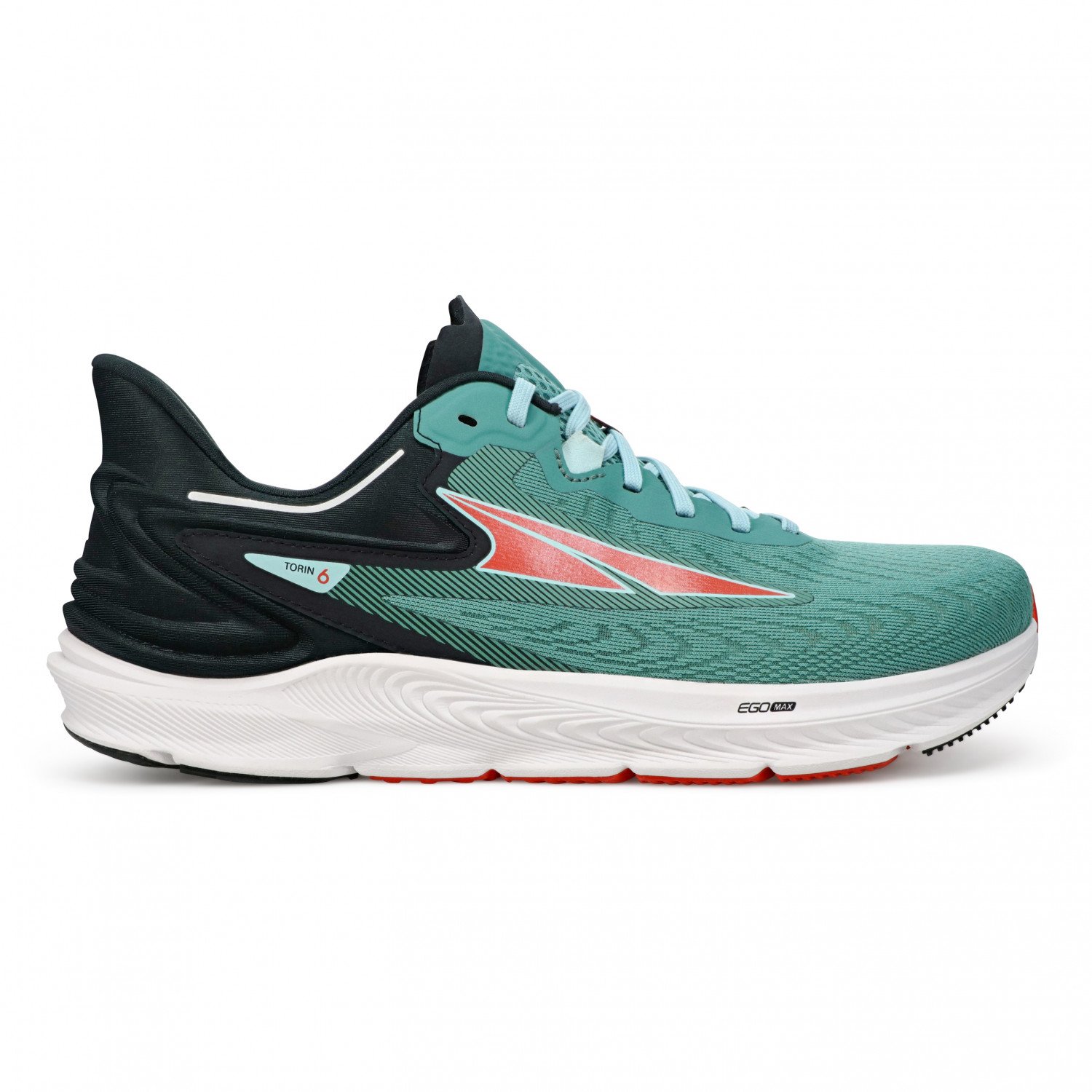
    The Torin 6 offers maximum cushioning while maintaining the zero-drop design. If you’re heavier or simply prefer more protection underfoot, this model delivers without forcing you into an artificial heel strike.

    Trail Running Performance

    Trail performance reveals where Altra’s design philosophy becomes most obvious. The Lone Peak and Timp provide enough ground feel to sense terrain changes, which is essential for maintaining balance on uneven surfaces.

    The MaxTrac rubber outsole grips wet rock and loose gravel reliably without being so aggressive that it wears down quickly on harder surfaces.

    Biomechanical testing shows that runners in minimal trail shoes like the Superior actually improve their balance because they’re forced to engage stabilizing muscles in their feet and ankles. Traditional shoes with rigid support structures prevent these muscles from developing properly. (The effects of foot core exercises and minimalist footwear on foot muscle sizes, foot strength, and biomechanics: A systematic review and meta-analysis, 2024)

    This builds resilience in tissues that often stay weak and injury-prone.

    How Altra Addresses Chronic Injuries

    The injury-prevention aspect matters most if you’re looking for an Altra running review. Zero-drop shoes measurably reduce impact forces through your legs.

    Testing data shows that foot contact time decreases and stride length increases in Altra shoes. You spend less time in the impact phase of each step. (Acute differences in foot strike and spatiotemporal variables for shod, barefoot or minimalist male runners, 2014, pp. 293-298)

    Shin Splints

    The zero-drop design reduces excessive dorsiflexion (upward bending) at your ankle, which concentrates stress on your shin tissues. Users consistently report dramatic improvements after adjusting to zero-drop running for 3-4 weeks. (Liu et al., 2025)

    Your shin muscles work differently when your foot lands in a neutral position rather than on an elevated heel.

    Knee Pain

    Promoting midfoot striking and reducing heel impact decreases the compressive forces that aggravate knee cartilage. The wide toe box also improves ankle stability, which reduces compensatory stress on your knees.

    Your body maintains better alignment from your foot through your hip when your toes can spread properly.

    Plantar Fasciitis

    The zero-drop design maintains your foot in its neutral position without forcing your arch into an unnatural angle. Combined with toe splay accommodation, this reduces tension on fascia tissues.

    Runners who hike multi-month trails report that foot soreness decreases significantly after switching to Altra compared with their previous footwear.

    Different Altra Models for Different Needs

    Check current prices and find your perfect Altra model here.

    ModelSpecDropWeightPrice(estimation)
    Experience Flow 2Transition from traditional shoes, daily training4mm7.8 oz$140
    Torin 6Maximum cushioning, heavier runners, long runs0mm9.2 oz$150
    Lone PeakTrail running, variable terrain, durability0mm9.5 oz$140
    TimpExperienced trail runners, lighter weight, responsiveness0mm8.7 oz$150
    Escalante 3Speed work, tempo runs, lightweight training0mm7.5 oz$130

    Experience Flow 2

    This model serves as the entry point if you’re transitioning from traditional shoes. The 4mm heel-toe drop makes the adjustment easier than jumping straight to true zero-drop.

    You get the wide toe box and natural foot positioning without the full shock of zero-drop running. This works well for daily training and building your weekly mileage.

    Torin 6
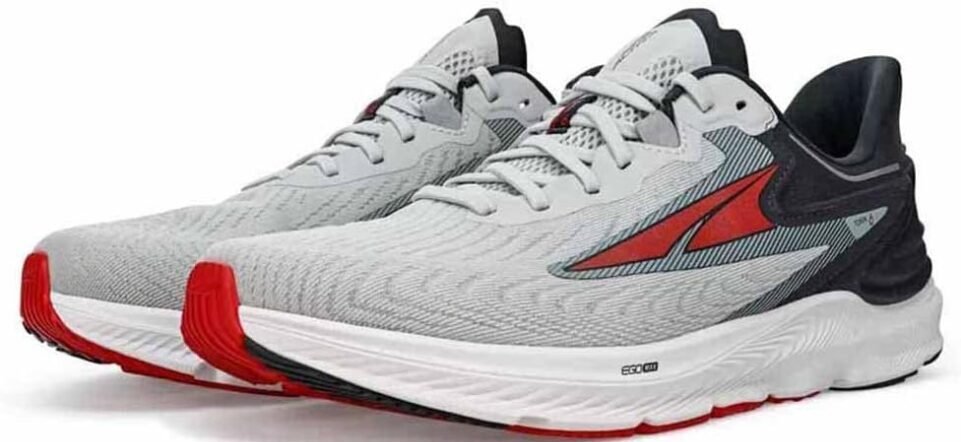
    Maximum cushioning meets zero-drop design. If you’re heavier, dealing with significant joint pain, or simply prefer more protection, the Torin 6 delivers without compromising the natural strike pattern Altra promotes.

    This model excels for road running volume and long Sunday runs.

    Lone Peak
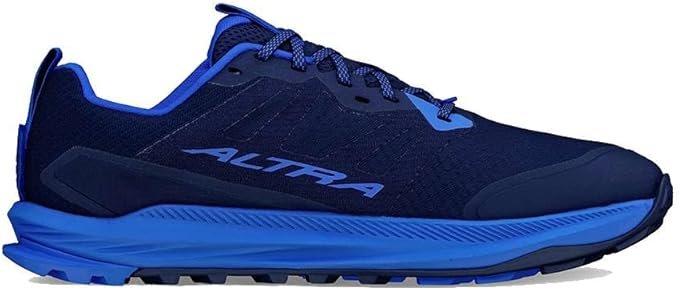
    The most popular trail shoe in the Altra lineup. Balanced cushioning protects your feet on technical terrain while the MaxTrac outsole provides reliable traction on wet surfaces.

    If you’re transitioning to trail running or regularly handling variable terrain, this model handles everything from smooth dirt to rocky climbs.

    Honest Pros and Cons

    What Works Well

    The reduction in impact force is measurable and significant. If shin splints or knee pain have been derailing your consistency, the biomechanical changes from zero-drop running directly address the root cause.

    The wide toe box eliminates the foot jamming that disrupts long runs. Your toes stay comfortable through mile 10 when they’d normally start going numb in traditional shoes.

    Lightweight construction prevents fatigue accumulation over extended training blocks. You’re not working against extra shoe weight with each step.

    The natural gait encouragement improves your running form without forced correction or rigid structure. Your body adapts to land efficiently rather than being forced into a specific pattern.

    Wide size and fit options accommodate various foot shapes. If you’ve struggled to find shoes that fit properly, Altra offers more width options than most brands.

    Durability on outsoles exceeds expectations, especially compared to earlier Altra generations. The rubber compounds last 400-500 miles before noticeable wear.

    Running Shoe Mileage Tracker

    Running Shoe Mileage Tracker

    Keep track of your running shoe mileage to know when it’s time for a replacement. Most running shoes should be replaced every 300-500 miles depending on your running style, body weight, and the surface you run on.

    Add New Pair of Shoes

    Limitations to Consider

    The transition requires patience, and it is essential to reduce your running mileage by 30-40% during the initial 2-4 weeks. Gradually increasing your distance as your body adapts will help minimize significant muscle soreness often experienced when switching to zero-drop shoes without adjusting training volume.

    Energy return in some models lags behind that of competitors’ premium cushioned shoes. If maximum speed is your only goal, you’ll feel this difference in tempo workouts and races.

    Ventilation is limited in certain models, making them uncomfortable in hot weather or if you’re prone to blisters from moisture.

    The ground feedback that provides safety benefits on trails becomes a drawback on extremely rocky terrain, where impact sensation can be uncomfortable.

    You cannot immediately jump to long runs in these shoes. The adjustment period is mandatory, not optional.

    Real User Experience After the Transition

    This section of an Altra running review should address what happens after the initial weeks. Runners transitioning from traditional shoes report consistent patterns.

    The first two weeks feel awkward. Your calves work harder because they’re absorbing impact they weren’t previously responsible for.

    This is muscle activation, not injury pain.

    Week 3-4, the awkwardness disappears as your body adapts to the new mechanics.

    By week 6-8, most runners notice concrete improvements. Foot fatigue at the end of runs decreases or disappears completely.

    Soreness in the problematic areas, such as the shins or knees, reduces significantly.

    Balance on technical terrain improves noticeably.

    Long-Term Consistency

    The real benefit appears over months rather than weeks. The ability to increase mileage without triggering recurring injuries substantially alters training outcomes.

    Instead of cycling through 8 weeks of building followed by 2 weeks of pain flare-ups and recovery, your progression actually compounds. You build on previous weeks rather than constantly returning to baseline.

    This consistency matters more than any single workout or training week. The added effect of uninterrupted training over 6-12 months produces results that stop-and-start training never achieves.

    Value for Money Analysis

    Altra shoes range from $130 to $180, depending on the model and current sales. For recreational runners training 10-25 miles per week, a single pair lasts 400-500 miles before noticeable midsole compression.

    At $140-160, that works out to about $0.30-0.40 per mile, comparable to conventional running shoes in the same price range.

    The value proposition centers on consistency rather than cost per mile. If these shoes prevent two weeks of lost training per year due to injury, the return on investment is significant.

    Most runners pay for the shoes solely through improved training consistency. The cost of the shoes becomes irrelevant compared to the cost of recurring injuries and interrupted progress.

    See current Altra deals and compare prices across models here.

    Who Should Buy Altra Shoes

    Altra makes the most sense if you’re:

    • Returning to running after time off, and want to minimize injury risk from the start
    • Managing recurring shin splints, knee pain, or plantar fascia issues that traditional shoes haven’t resolved
    • Dealing with wider feet or high toe volume that makes conventional shoes uncomfortably tight
    • Running trails regularly and seeking better balance and natural ground feedback
    • Experiencing foot numbness or forefoot discomfort in your current shoes
    • Looking to improve running form naturally without gimmicks or forced corrections

    Altra is less ideal if you’re:

    • Focused exclusively on speed and race times where marginal energy return differences matter
    • Dealing with exceptionally high arches that need specific orthotic support
    • Managing severe ankle instability where maximum rigid support is necessary

    Making Your First Purchase

    When buying Altra shoes for the first time, order half a size larger than your conventional running shoe size. Altra sizing runs small compared to most brands, and you want adequate toe room in the forefoot.

    The FootShape toe box is wider than traditional shoes, so this extra space is suitable rather than excessive.

    Start with the Experience Flow 2 if you’re new to zero-drop running. The 4mm drop makes the transition manageable while still providing the wide toe box and natural positioning benefits.

    Expect the first few weeks to feel different. This is a normal adaptation, not a sign that the shoes don’t work for you.

    Give yourself at least 3-4 weeks before deciding whether zero-drop running works for your body. Evaluating Altra shoes in the first week is premature because you haven’t had a chance to adapt yet.

    Reduce your mileage by 30-40% for the first two weeks, then gradually build back up as your muscles adjust.

    Final Verdict: Does Altra Solve Your Problems

    The real question in any altra running review is whether these shoes solve problems you’re now experiencing.

    If chronic minor injuries disrupt your consistency, if recurring pain appears in the same areas despite changing training volume, or if you want footwear that allows your foot to function naturally, Altra shoes represent a genuine solution.

    The transition needs patience and muscle adjustment. The value becomes clear after 8-12 weeks of uninterrupted training without injury flare-ups.

    For recreational runners managing minor injuries, Altra shoes serve as a practical tool that removes significant obstacles to consistent training. The biomechanical changes are measurable.

    The injury reduction is documented. The user reports are consistent.

    Traditional running shoes work for many runners. But if traditional shoes have left you cycling through injury and recovery repeatedly, Altra offers a fundamentally different approach worth trying.

    Start with Altra Experience Flow 2 and begin your transition to zero-drop running.
  • The Ultimate Guide to Injury-Free Running: Shoes, Gear and Form Tips

    The Ultimate Guide to Injury-Free Running: Shoes, Gear and Form Tips

    I’ve seen many people start running with excitement, only to give up after a few weeks due to persistent pain. This outcome is rarely due to an inherent inability to run; rather, it usually stems from a lack of guidance on the essential strategies that keep runners healthy and prevent injuries.

    My purpose in this guide is to provide actionable advice so that you can approach running with confidence, minimize your risk of injury, and sustain long-term participation in the sport.

    Remember, setbacks are normal on this journey, and every step you take towards returning to running is a brave and positive one. Embrace the challenges, knowing that through perseverance and the right approach, you will find the joy and fulfillment in running again.

    The facts are clear: approximately 80% of runners sustain injuries each year (van Gent et al., 2007).

    That’s a number we can’t ignore.

    Studies such as Lauersen et al. (2014) have demonstrated that consistent strength training can reduce injury risk by roughly 50%, while regular flexibility work can lower it by about 30%. These findings do not guarantee complete prevention, but they provide evidence that incorporating these strategies will help you take practical steps to stay injury-free, making the path easier to follow.

    If you are between 30 and 55 years old, resuming running after a period of inactivity, or managing a demanding job while seeking to maintain a weekly mileage of 10-25 miles, the strategies outlined in this guide are tailored to your circumstances.

    Unlike professional athletes, your physical condition and available time for training are unique, and it is essential to adopt approaches that recognize and address these real-world considerations.

    You need tips that work in real life, not just perfect theories. This guide aims to help you run safely and confidently.

    Why Most Adults Get Running Wrong From the Start

    When I talk to adults who’ve been sidelined by running injuries, there’s usually a common thread in their stories. They remember running being easy when they were younger, so they lace up and head out for what feels like a modest three-mile run.

    But within two weeks, they end up with shin splints or knee pain that even makes going up stairs hard.

    Running puts a lot of repeated stress on your body. Each step transmits forces equal to 2 or 3 times your body weight through your joints, tendons, and muscles.

    If your body isn’t gradually prepared for that stress, your tissues break down faster than they can get stronger.

    For adults who haven’t run regularly in years, there’s also the issue of losing fitness. Your heart and lungs might feel ready.

    You might breathe easily and recover your heart rate quickly, but your muscles, tendons, and ligaments need much more time to adjust. They get stronger much more slowly than your fitness improves.

    This gap is often what leads to injuries.

    The most common injuries among recreational runners include runner’s knee (patellofemoral pain syndrome), shin splints (medial tibial stress syndrome), plantar fasciitis, and Achilles tendonitis. Each stems from different mechanical issues: muscular imbalances, not enough strength, poor mobility, flawed running mechanics, or excessive training load.

    To avoid injuries, it’s important to address the root causes rather than just treating symptoms. This approach also helps you stay motivated to keep running.

    The Kinetic Chain: Understanding Your Body’s Running System

    Your body works as a connected system, often called the kinetic chain. It links your feet, ankles, legs, knees, hips, back, core, and even your shoulders. If one part is weak or not working right, the rest of your body has to adjust, which can cause problems.

    Weak glutes, which are incredibly common among adults who sit at desks all day, force your knees to absorb more medial stress during running. That leads directly to runner’s knee.

    Similarly, poor ankle mobility causes your calves to work overtime, leading to excessive tension that can manifest as Achilles problems or calf strains.

    A weak core allows your hips to drop with each stride, which stresses your IT band and creates lateral knee pain.

    Because everything in your body is connected, injury prevention means building a strong, balanced system in which each part supports the others.

    Exercises like single-leg squats and step-ups are much more useful than machine leg extensions because they train your body the way it moves when you run.

    These exercises build the balance, stability, and coordination you need for running.

    Selecting Running Shoes That Actually Protect You

    Your running shoes are more important than most people think. Picking the right shoe for your foot and running style can lower your risk of injury and help you stick with running.

    Wearing the wrong shoes, or even a neutral pair that’s too old, actually increases your risk of injury.

    Gait Analysis Is Worth the Trip

    Go to a specialty running store instead of a regular sports shop. There, staff can do a proper gait analysis by watching you run and checking how your foot hits the ground and moves as you run.

    This shows if you overpronate (your foot rolls too far inward), underpronate or supinate (your foot stays too stiff on the outside), or have a neutral stride.

    Overpronators typically benefit from stability shoes that provide medial support to control excessive inward motion. Underpronators usually need neutral shoes with good cushioning to absorb the shock that their rigid feet don’t naturally dampen.

    If you have a neutral stride, you have more options for shoes, but you still need a good fit and enough cushioning.

    Choosing the right shoe means matching it to how your body moves. I’ve seen runners get rid of long-term shin splints just by switching from a neutral shoe to a stability shoe, or vice versa.

    The change wasn’t about how much they ran or their running form.

    The difference was that their shoes finally supported their natural movement pattern instead of resisting it. Over time, though, and after several hundred miles of use, the midsole foam in any shoe compresses permanently, cushioning degrades, and structural support breaks down.

    These changes happen slowly, so you might not notice them right away, but they are real and measurable.

    If you run 15 miles a week, you’ll reach 300 miles in about 20 weeks, which is less than five months. At 20 miles a week, you’ll get there in 15 weeks.

    Keep track of your shoe mileage with a running app or by writing the date and starting mileage on your shoe. This way, you can replace your shoes before they wear out.

    Running Shoe Mileage Tracker

    Running Shoe Mileage Tracker

    Keep track of your running shoe mileage to know when it’s time for a replacement. Most running shoes should be replaced every 300-500 miles depending on your running style, body weight, and the surface you run on.

    Add New Pair of Shoes

    Replace your shoes on time, even if they still look good on the outside.

    Running in old shoes might save you money at first, but it raises your risk of injury, which can end up costing you much more in medical bills, lost training, and frustration.

    I found this out the hard way when I got plantar fasciitis and couldn’t run for six weeks.

    The problem was that my shoes had over 600 miles on them, even though they still looked fine.

    Beyond Footwear: Supporting Gear

    Quality moisture-wicking socks prevent blistering and reduce friction-related issues. Cotton socks absorb and hold moisture, creating the perfect environment for blisters and hotspots.

    Synthetic or merino wool running socks pull moisture away from your skin and dry quickly.

    If you have flat feet, high arches, or specific biomechanical concerns identified during gait analysis, over-the-counter or custom inserts (orthotics) can correct alignment problems before they cause injuries.

    For recovery and maintenance, a foam roller or massage stick is really valuable. These tools speed tissue recovery, reduce chronic muscle tightness, and improve mobility.

    Spending 5-10 minutes rolling your calves, quads, IT bands, and glutes after runs genuinely makes a difference in how your body feels and performs.

    The discomfort during rolling shows areas of tension that need attention.

    Load Management: The Most Important Principle You’ll Learn

    If I could drill one concept into every returning runner’s mind, it would be load management. Load management prevents more injuries than any other single factor.

    “Doing too much, too soon” is the cliché for good reason.

    That phrase describes the primary mechanism behind most running injuries.

    Your body adapts to training stress during recovery periods between runs, not during the runs themselves. When you consistently exceed your current adaptation capacity, tissues break down faster than they repair.

    Eventually, you develop an overuse injury.

    The tricky part is that you won’t feel this happening until the damage has already accumulated to the point where pain appears.

    The 80/20 Training Intensity Distribution

    Elite runners spend about 80% of their total training time at an easy, conversational pace, and only 20% at moderate to hard intensities. This distribution exists because easy running builds the aerobic base, the foundation of all running fitness, without accumulating excessive fatigue or tissue damage.

    Recreational runners need this principle even more than elites because we have less training time, less recovery time, and often more life stress competing for our body’s recovery resources. Yet most recreational runners do the opposite.

    They run moderately hard most days, believing that constant effort leads to faster improvement.

    That approach leads straight to overtraining and injury.

    Running easy feels counterintuitive. It should feel almost ridiculously slow, especially at first.

    If you can’t speak in finished sentences, you’re running too hard to be in your easy zone.

    This pace develops capillary density, mitochondrial function, and aerobic enzymes without triggering significant muscle damage or central nervous system fatigue. You’re training your body to use oxygen more efficiently and building the endurance foundation that supports everything else.

    Progressive Mileage Increases

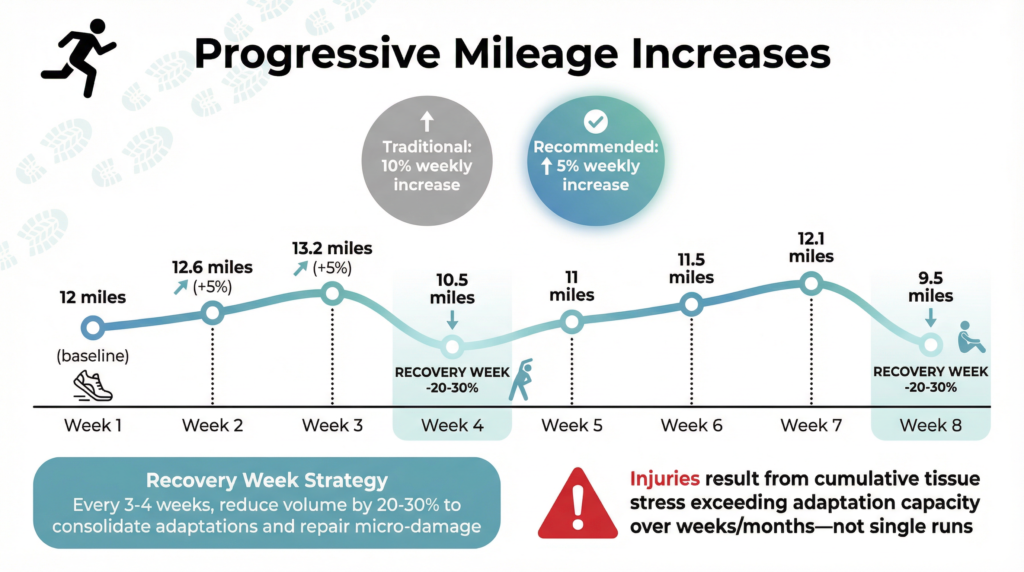
    The traditional guideline suggests not increasing weekly mileage by more than 10%. For adults returning to running or managing busy schedules, I actually recommend being even more conservative.

    Try 5% weekly increases with scheduled recovery weeks every third or fourth week.

    Here’s what this looks like practically. If you’re currently running 12 miles per week across three runs, a 10% increase means adding just over a mile the following week, bringing you to 13 miles.

    After three or four weeks of gradual increases, you apply a recovery week, reducing volume by 20-30% and returning to around 10-11 miles.

    This gives your body a chance to consolidate adaptations and fully repair accumulated micro-damage.

    This seems painfully slow when you’re motivated and feeling good. But injuries don’t occur because you ran too easily in week three.

    They occur because of added tissue stress that exceeds your adaptation capacity over weeks and months.

    Patient progression is genuinely faster in the long run because you’re not losing weeks to forced time off.

    Training Variety and Recovery

    Don’t do the same run day after day. Vary your training with easy runs, one tempo session weekly, occasional interval work, and a longer run if you’re building toward that.

    Different stimuli develop different physiological adaptations while preventing the repetitive stress of identical sessions.

    Never schedule two hard workouts back-to-back. Your hard days should be legitimately hard, but they must be separated by easy running or finish rest days.

    This allows tissue repair and nervous system recovery between periods of intense effort.

    Your body needs that recovery window to benefit from the hard work you’re doing.

    Running Form: Small Changes With Significant Impact

    Running form influences injury risk more than most recreational runners realize. You don’t need to overhaul your natural stride completely, but specific adjustments can substantially reduce joint stress and improve efficiency.

    Cadence Optimization

    Cadence refers to the number of steps per minute. Research shows that cadences below 160 steps per minute may increase the risk of injury, particularly impact-related injuries.

    A faster cadence with shorter strides generally produces lighter footstrikes than a slower cadence with longer strides.

    Each footstrike creates less peak force when your feet spend less time on the ground.

    To assess your current cadence, count footfalls for 30 seconds during an easy run and multiply by two. If you’re consistently below 165, gradually increase it by about 5%.

    Don’t force a dramatic change overnight.

    Use a metronome app initially or listen to music with a suitable tempo until the faster rhythm feels natural.

    The adjustment feels awkward at first, but after several weeks of consistency, it becomes automatic. A lighter footstrike significantly reduces loading rates through your joints, directly translating into lower injury risk.

    I increased my cadence from 158 to 170 over about six weeks, and the chronic knee discomfort I’d been dealing with entirely disappeared within a month.

    Arm Mechanics Matter More Than You Think

    Your arms shouldn’t cross your body’s midline. When they do, your torso rotates excessively, creating unnecessary braking forces with each stride and increasing stress on your knees and hips.

    Keep your elbows bent at roughly 90 degrees and let your arms swing forward and backward in a relaxed, controlled motion.

    Your hands should stay relatively close to your sides, moving naturally without tension.

    A simple practice drill helps cement this pattern. Stand in place and do 20 deliberate arm cycles with proper form, then maintain that pattern for the first minute of your run before fatigue potentially disrupts it.

    Check in with your arm position periodically during runs, especially when you start getting tired, and your form tends to deteriorate.

    Hip-Driven Running

    Many recreational runners push forward primarily with their lower legs and feet, which creates a braking effect and excessive knee stress. Your hips should start the forward movement.

    Think about driving your pelvis forward with each stride, letting your legs follow naturally.

    This engages your glutes and hamstrings more effectively while reducing the workload on your quadriceps and knees.

    The mechanical change is subtle but genuinely impactful for joint health. When you run with proper hip drive, you can actually feel your glutes working more prominently.

    If you finish runs and your glutes feel minimally engaged while your quads are completely fried, that’s a sign you’re relying too heavily on quad-dominant mechanics.

    Building Strength and Mobility Into Your Routine

    Strength training and mobility work are fundamental components of injury-free running for everyday adults. If you’re not doing them consistently, you’re choosing to accept a significantly higher risk of injury.

    Your running performance will also plateau much earlier than it would with proper supplemental training.

    Strength Training Fundamentals

    Dedicate two sessions weekly to structured strength work. Focus primarily on single-leg exercises because running is fundamentally a single-leg activity.

    Every running stride involves balancing and propelling yourself forward on one leg while the other swings through the air.

    Your training should reflect that reality.

    Single-leg squats, Bulgarian split squats, step-ups, and walking lunges build functional strength that directly transfers to running mechanics. These exercises develop the stabilization and balance components that bilateral exercises like regular squats don’t address as effectively.

    Include posterior chain work like deadlifts (single-leg or Romanian variations), glute bridges, and hamstring curls to strengthen the backside of your body that propels you forward during running.

    Weak glutes and hamstrings force your quads and knees to compensate excessively. That compensation pattern creates patellofemoral pain. Core work matters tremendously, but “core” means exercises that challenge your trunk stability, not endless crunches.

    Planks (front and side), bird dogs, dead bugs, and pallof presses develop the deep stabilizer muscles that prevent excessive hip drop and torso rotation during running.

    You don’t need a full gym. Bodyweight exercises, a set of resistance bands, and a single kettlebell or pair of dumbbells provide everything necessary for a comprehensive strength program.

    I do all my strength work in my garage with minimal equipment, and it’s been enough to keep me injury-free for years.

    Mobility Work That Actually Matters

    Mobility restrictions can lead to compensatory movement patterns that increase the risk of injury. Tight hip flexors tilt your pelvis anteriorly, preventing full hip extension and forcing your lower back to hyperextend.

    Restricted ankle dorsiflexion limits your knee’s forward range of motion, leading to excessive calf strain and Achilles stress.

    Daily mobility work doesn’t need to be extensive. Five to 10 minutes is genuinely enough if you’re consistent.

    Focus on your personal restriction areas, which vary from person to person.

    Common tight areas for runners include hip flexors, calves, hamstrings, and the thoracic spine.

    Dynamic stretching before runs prepares your nervous system and elevates tissue temperature. Leg swings, walking lunges, high knees, and butt kicks activate muscles and take joints through their full range of motion.

    Static stretching after runs, when muscles are warm, improves long-term flexibility.

    Hold stretches for 30-60 seconds, breathing deeply into the stretch without forcing pain.

    Glute Activation Changes Everything

    Weak or underactive glutes are epidemic among adults who sit for long periods. Your glutes should be your primary running powerhouse, but when they’re dormant, your knees and lower back compensate.

    Before runs, do specific glute activation exercises such as glute bridges, clamshells, or banded lateral walks.

    These exercises wake up your glutes and prepare them to fire properly during your run.

    During runs, use mental cues to engage them consciously. Every 30-60 seconds, deliberately squeeze your glute for two strides.

    After three weeks of consistent practice, this activation becomes automatic, fundamentally changing how forces are distributed throughout your kinetic chain. You’ll notice that your knees feel less stressed and your running feels more powerful.

    The Recovery Essentials: Sleep, Nutrition, and Active Recovery

    Training stimulus only matters if your body can recover from it. Recovery is an active process that needs specific inputs to function optimally.

    Sleep Is Non-Negotiable

    Sleep drives hormonal balance, immune function, tissue repair, and nervous system recovery. Inadequate sleep directly increases injury risk through many mechanisms: impaired motor control, reduced tissue healing, hormonal disruption, and decreased pain tolerance.

    Prioritize seven to nine hours nightly.

    Poor sleep sabotages even the most intelligent training program.

    Nutrition for Tissue Repair

    Your body needs adequate protein to repair and strengthen tissues stressed during running. Aim for roughly 1.2 to 1.6 grams of protein per kilogram of body weight daily.

    For a 70-kilogram (154-pound) adult, that’s 84 to 112 grams daily, distributed across meals.

    Don’t drastically restrict calories while increasing running volume. Your body needs fuel to adapt to the stress of training.

    Chronic energy deficiency impairs recovery, weakens bones, disrupts hormones, and substantially increases injury risk, particularly stress fractures.

    Active recovery

    Foam rolling, massage, gentle yoga, or easy cross-training on rest days promotes blood flow and reduces muscular tension without adding training stress.

    These activities support recovery without compromising it, unlike extra running.

    Recognizing and Responding to Warning Signs

    Pain is your body’s communication system. Learning to interpret it prevents minor issues from becoming major injuries.

    I learned this the hard way while training for a half-marathon. During a long run, around the 14 km mark, I felt a sharp, localized pain on the outside of my hip. Instead of stopping, I convinced myself it was “nothing serious” and ran another 2 km through it.

    That decision aggravated my TFL (tensor fasciae latae) and turned a manageable issue into a real injury. In the end, I wasn’t able to start the race at all. Looking back, stopping immediately would likely have saved my season.

    Sudden, sharp pain during running warrants immediate stopping. This type of pain signals a potential acute injury—such as a muscle strain, tendon overload, or stress-related issue.

    Don’t try to “run through it.” Stop, assess, and respect the signal. If pain persists beyond 48 hours or interferes with regular walking, professional evaluation is necessary.

    Generalized soreness and dull aches, especially after hard workouts or long runs, are normal. These sensations usually resolve within 24–48 hours and are part of the adaptation process.

    However, persistent, localized discomfort that doesn’t improve with rest—or worsens as you run—is a clear sign that an overuse injury is developing. That was exactly the warning I ignored.

    Respond proactively by reducing training volume by 30–50%, removing intensity temporarily, and focusing on strength, mobility, and tissue care for the affected area.

    Pain that lingers for more than two hours after finishing a run indicates excessive tissue stress. Occasional post-run discomfort isn’t automatically a problem, but repeated patterns mean your training load has exceeded your current capacity.

    Listen early. Stop sooner. Missing one run is frustrating—but missing your race is worse.

    Frequently Asked Questions

    How long should running shoes last?

    Running shoes should be replaced every 300-500 miles, depending on your weight, running surface, and shoe construction. Track your mileage from the first run in new shoes, and replace them when you hit that range, even if they look fine on the outside.

    The protective cushioning and support degrade internally before visible wear appears.

    What causes shin splints in runners?

    Shin splints develop when you increase training volume or intensity too quickly, run in worn-out shoes, or have biomechanical issues like overpronation or tight calf muscles. The condition involves inflammation of the muscles, tendons, and bone tissue around your tibia.

    Prevention focuses on gradual increases in mileage, proper footwear, and calf-strengthening exercises.

    Can I run every day without getting injured?

    Running every day increases the risk of injury, especially for recreational runners managing other life stresses. Your body needs rest days for tissue repair and adaptation.

    Running three to five days per week with at least one full rest day between sessions provides a better balance between training stimulus and recovery for most adults.

    What exercises prevent runner’s knee?

    Single-leg squats, step-ups, Bulgarian split squats, and glute bridges strengthen the muscles that stabilize your knee during running. Weak glutes and hip muscles force your knee to absorb excessive medial stress.

    Performing these exercises twice weekly significantly reduces the risk of runner’s knee.

    Should I stretch before or after running?

    Dynamic stretching before running prepares your muscles and nervous system without reducing power output. Static stretching after running, when muscles are warm, improves long-term flexibility.

    Never do static stretching on cold muscles before running, as it temporarily reduces muscle strength and power.

    How do I know if I overpronate?

    A gait analysis at a specialty running store reveals your pronation pattern by observing your foot motion during running. Signs of overpronation include excessive inward roll of your foot after heel strike, wear patterns on the inside edge of your shoe sole, and a tendency toward flat feet.

    Stability shoes with medial support help control excessive pronation.

    What’s the best running cadence?

    Research suggests that cadences between 165 and 180 steps per minute reduce injury risk for most runners. Count your steps for 30 seconds and multiply by two to find your current cadence.

    If you’re below 165, gradually increase by 5% using a metronome app until the faster rhythm feels natural.

    How much protein do runners need?

    Runners need about 1.2 to 1.6 grams of protein per kilogram of body weight daily to support tissue repair and adaptation. For a 150-pound runner, this equals roughly 82-109 grams of protein daily, distributed across meals for optimal absorption.